
Water damage versus flood coverage for Hawaii homeowners
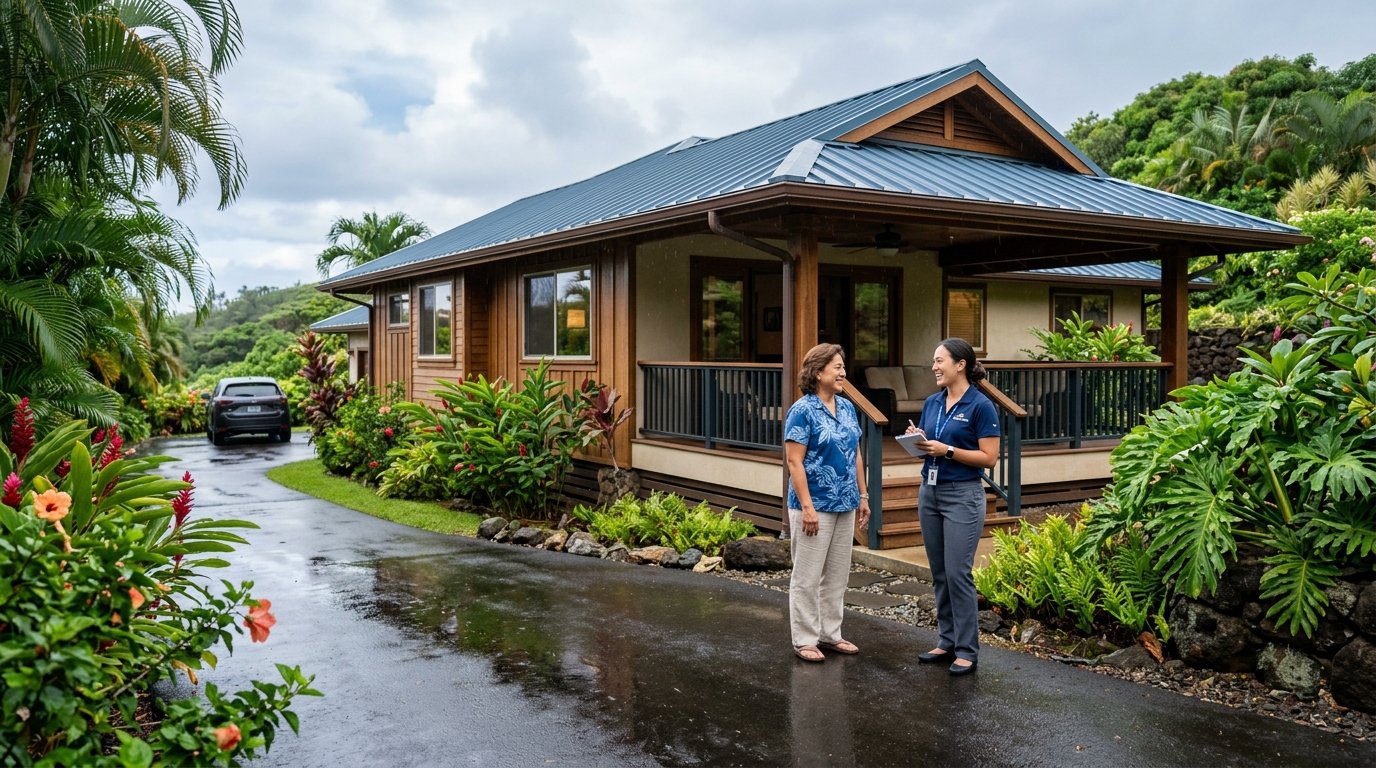
Water damage and flood damage may sound similar, but insurance policies often treat them very differently. For Hawaii homeowners and condo owners, understanding that distinction can make it easier to prepare for island weather, plumbing problems, and water-related surprises. At Equity Insurance, we help clients review their options so they can make informed decisions with greater confidence.
Why the Difference Matters
A standard homeowners or condo insurance policy may provide coverage for certain types of sudden and accidental water damage. Flood insurance is generally designed for a different kind of event: water that affects land or property from outside the structure, such as rising water or runoff from heavy rain.
The exact answer always depends on the policy language, endorsements, exclusions, limits, and deductible you selected. That is why we encourage every property owner to review their individual policy with an advisor rather than assume a particular type of water loss is covered.
Common Examples of Homeowners Water Damage
Homeowners and condo policies may respond to some sudden, accidental water events inside a home or unit. For example, a supply line beneath a sink could unexpectedly burst, a washing machine hose could fail, or a pipe could leak suddenly and damage flooring, cabinets, or personal belongings.
In many policies, the resulting damage from a covered plumbing leak may be treated differently from the cost to repair the worn, broken, or failed pipe or appliance itself. Long-term seepage, maintenance issues, mold-related damage, or damage that develops gradually may also be excluded or limited. The details matter, especially in Hawaii properties where humidity, salt air, and the age of building systems can create additional maintenance concerns.
For condo owners, it is also important to understand where the association’s master policy may end and your individual condo policy begins. Interior improvements, walls, flooring, appliances, and personal property can be addressed differently depending on the condominium documents and both insurance policies.
What Flood Insurance Is Intended to Address
Flood insurance is typically considered separately from common homeowners and condo coverage. It may be relevant when water rises from outside, flows over normally dry land, or enters a property because of broad-area conditions such as heavy rain runoff, overflowing drainage areas, or water moving down a slope.
Hawaii’s island weather can change quickly. Intense rainfall, terrain, drainage patterns, nearby streams, and coastal conditions can all affect how water moves through a neighborhood. Even a property that has not experienced a flood before may have local conditions worth discussing with an insurance advisor.
Flood coverage is not one-size-fits-all. Eligibility, availability, limits, waiting periods, and covered causes of loss can vary. We can help you understand the questions to ask and review how flood insurance may fit alongside your homeowners or condo policy.
Heavy Rain Runoff and Rising Water
A useful way to think about the distinction is to consider where the water came from and how it entered the property. A sudden leak from a plumbing system inside the building may be evaluated under a homeowners or condo policy. Water that rises from the ground, runs across land after heavy rain, or enters because of widespread surface-water conditions may be considered a flood-related event.
However, real claims are not always simple. A single storm can involve wind, rain, blocked drainage, roof damage, surface runoff, and plumbing issues at the same time. The cause of damage, the policy wording, and the facts documented after the event can all be important. Please review your policy in advance and contact us with questions before a loss occurs whenever possible.
How Wind-Driven Rain May Be Considered
Wind-driven rain is another area where policy details are especially important. If wind damages a roof, window, door, or other part of the building and rain enters through that opening, a homeowners or condo policy may evaluate the loss differently than rainwater that enters through an existing maintenance issue or an opening that was not caused by a covered event.
Coverage can depend on the type of policy, its wind and water exclusions, the condition of the property, and the specific circumstances. Hawaii homeowners and condo owners should not rely on general assumptions about storm coverage. Reviewing your policy with Equity Insurance can help clarify how your coverage may respond in situations that concern you.
Building Coverage and Personal Property Coverage
When reviewing insurance, it is helpful to separate the structure from the belongings inside it. Building coverage may apply to the home itself or, for condo owners, the portions of the unit you are responsible for under the association documents. Personal property coverage may address items such as furniture, clothing, electronics, and household goods.
Flood insurance can also involve separate decisions about building coverage and personal property coverage. A homeowner may need to consider both. A condo owner may need to look closely at the master policy, their responsibilities for unit improvements, and the value of their belongings. Our advisors can help you identify the questions to bring to that review, but the limits you choose should reflect your own property and circumstances.
Do Not Overlook Deductibles and Exclusions
Coverage is only part of the picture. Your deductible is the amount you may be responsible for before insurance pays on a covered claim, subject to policy terms. Some policies may have different deductibles for different types of loss, including wind-related damage. Knowing those amounts before an emergency can prevent unwelcome surprises.
Exclusions and limitations deserve just as much attention. Policies may exclude or limit certain types of water damage, gradual leaks, backup events, mold, earth movement, or flood-related losses. Optional endorsements may be available in some situations, but availability and terms vary. We recommend reviewing your declarations page, forms, endorsements, and deductible amounts with an advisor who can explain how they work together.
Practical Steps for Hawaii Property Owners
- Review your homeowners or condo policy at least once a year and after renovations or major purchases.
- Ask how sudden plumbing leaks, gradual leaks, wind-driven rain, water backup, runoff, and rising water may be treated under your specific policy.
- Confirm your building coverage and personal property limits, particularly if you own a condo or have upgraded your home.
- Check your deductibles and make sure they are manageable for your household.
- Keep a current home inventory with photos, receipts, and serial numbers when possible.
- Discuss whether separate flood insurance is appropriate for your property’s location and risk factors.
FAQ
Does homeowners insurance cover a burst pipe?
It may cover certain sudden and accidental water damage from a burst pipe, but coverage varies by policy. The cost to repair the failed pipe itself, damage caused by a long-term leak, and related issues may be handled differently. Review your policy with an Equity Insurance advisor for guidance specific to your coverage.
Is damage from heavy rain always considered flood damage?
Not necessarily. The source of the water, how it entered the property, and the policy language can all affect how a claim is evaluated. Surface runoff and rising water may be considered flood-related, while rain entering after covered wind damage may be evaluated differently. Please review your own policy rather than relying on general descriptions.
Do condo owners need flood insurance?
Some condo owners may benefit from considering it, particularly because an association master policy may not cover all parts of an individual unit or personal belongings. Your condominium documents, master policy, unit responsibilities, and personal property value are all important factors to discuss with an advisor.
What does flood insurance cover?
Flood insurance may offer building coverage, personal property coverage, or both, depending on the policy and selections made. Limits, exclusions, deductibles, and eligibility can vary, so it is important to review the specific coverage available for your Hawaii property.
What should we do before a water-related loss occurs?
Review your policies, understand your deductibles, maintain your property, document your belongings, and ask questions about scenarios that concern you. Preparing ahead is one of the best ways to make an uncertain situation feel more manageable.
For more than 45 years, Equity Insurance has helped Hawaii families and property owners navigate important coverage decisions with knowledgeable, caring support. If you would like to review your homeowners, condo, or flood insurance options, contact Equity Insurance at (808) 593-7746.